Jewish Senior Living magazine 2017/2018
Historically, most medical research has not addressed these challenges. Rather, it has often taken a narrow focus, looking at one specific disease at a time. While this has led to breakthrough discoveries, it has limited and constrained our understanding of how to improve care and well-being across the entirety of a person’s health issues. It is clear that new approaches are needed to better understand and optimize care for older adults facing these challenges.
Complementing its flagship role in providing care that supports the medical and psychosocial well-being of vulnerable older adults, the Jewish Home of San Francisco aims to be a forerunner in developing new approaches to better care. To that end, the Home has teamed up with the University of California at San Francisco (UCSF), a national leader in research on older adults, to create a new and bold strategic plan for research at the Jewish Home. Ultimately, the goal is for the Jewish Home to become internationally known as a leader in scientific inquiry and learning that can improve the medical and psychosocial well-being of older adults on a global scale.
Thus, since the beginning of 2017, key personnel of the Jewish Home and UCSF have been meeting regularly to identify strategic opportunities to achieve this goal, including providing opportunities for Jewish Home residents and staff to engage in cutting-edge research. The effort is co-led by two prominent physician-researchers who have strong affiliations with both the Jewish Home and UCSF: Christine Ritchie, M.D., MSPH, is the Harris Fishbon Distinguished Professor at the Jewish Home and the UCSF Division of Geriatrics, and Michael Steinman, M.D., who holds the positions of Jewish Home visiting research scientist and Professor of Medicine in the UCSF Division of Geriatrics.
As part of this strategic planning effort, the Jewish Home-UCSF working group has been visiting a number of premier, academic long-term care facilities in North America that have a strong research presence, such as Boston’s Hebrew Senior Life and Baycrest Health Sciences in Toronto, Canada. On these fact-finding missions, the team has met with research scientists, directors of clinical programs, and executive leaders to discover how they grow their research programs, and to gain insight into learnings they can apply for a strategic plan for Jewish Home-based research.
Although the process is still ongoing, “the excitement it has generated to date is palpable, and a number of compelling opportunities have emerged,” says Dr. Steinman. In the coming months, the Jewish Home’s research workgroup will finalize a strategic plan and announce an ambitious case for the future. Concomitant with this, notes Dr. Ritchie, “we’ll have a roadmap for providing a ‘rocket boost’ to research at the Home.”
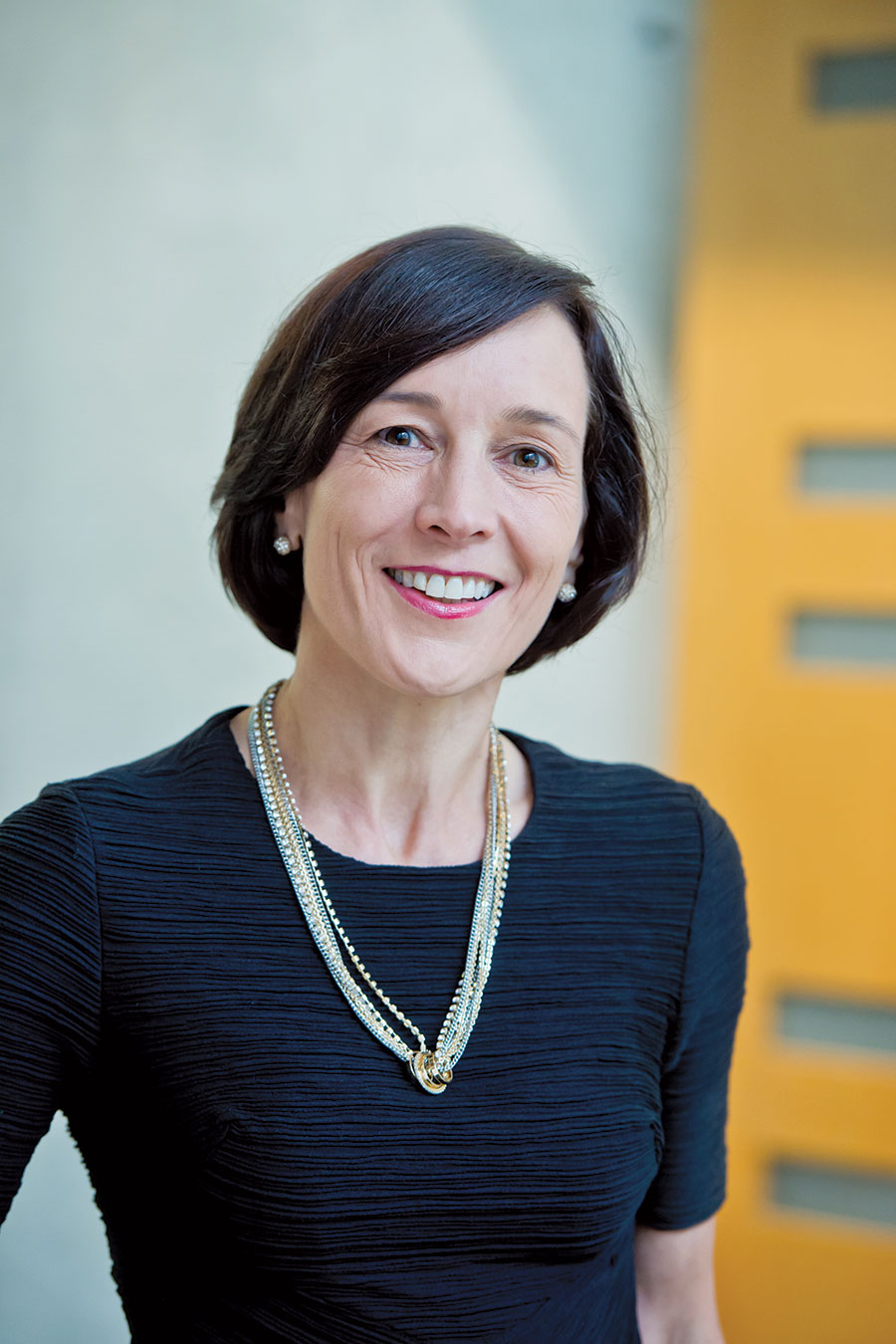
Dr. Christine Ritchie
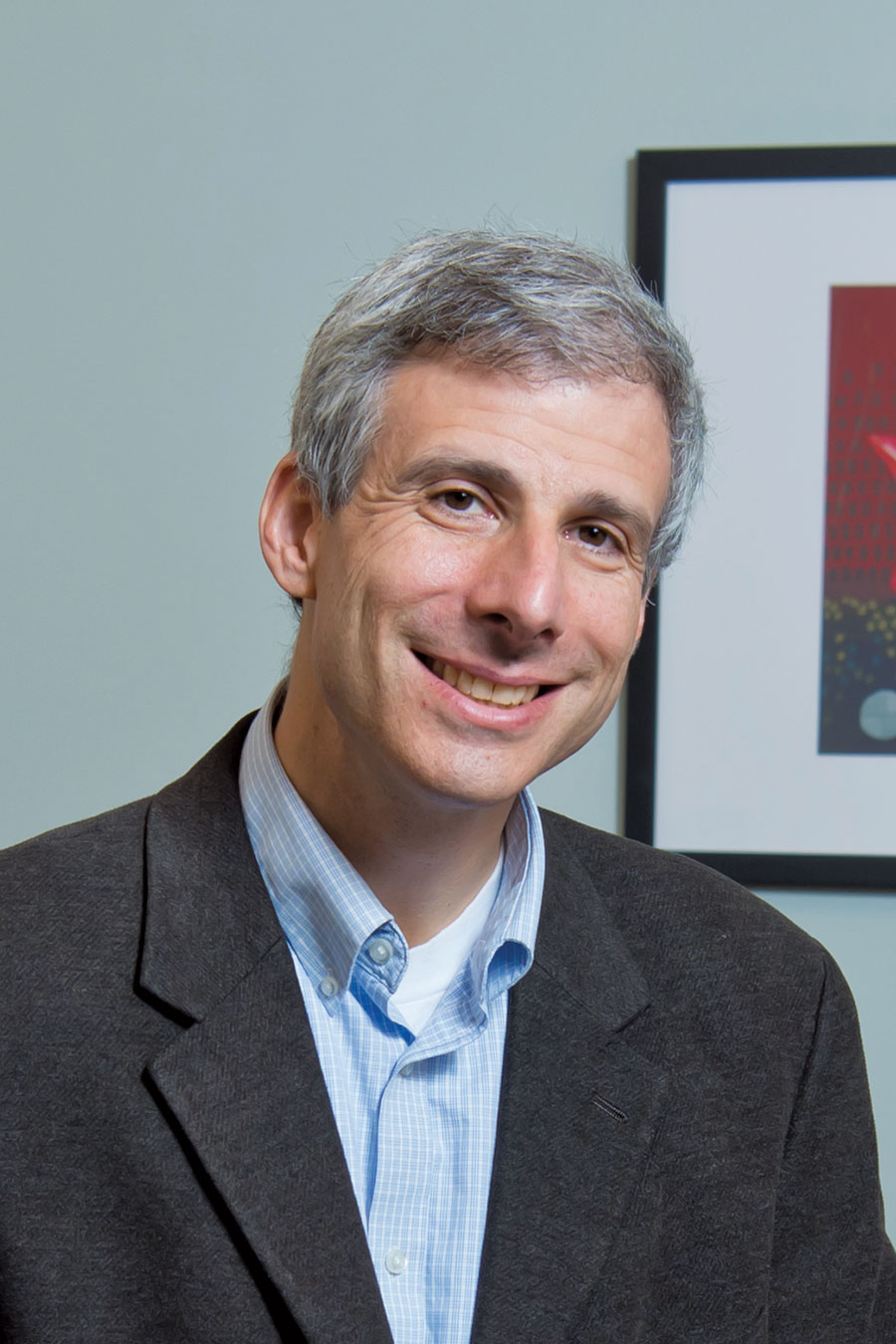
Dr. Michael Steinman
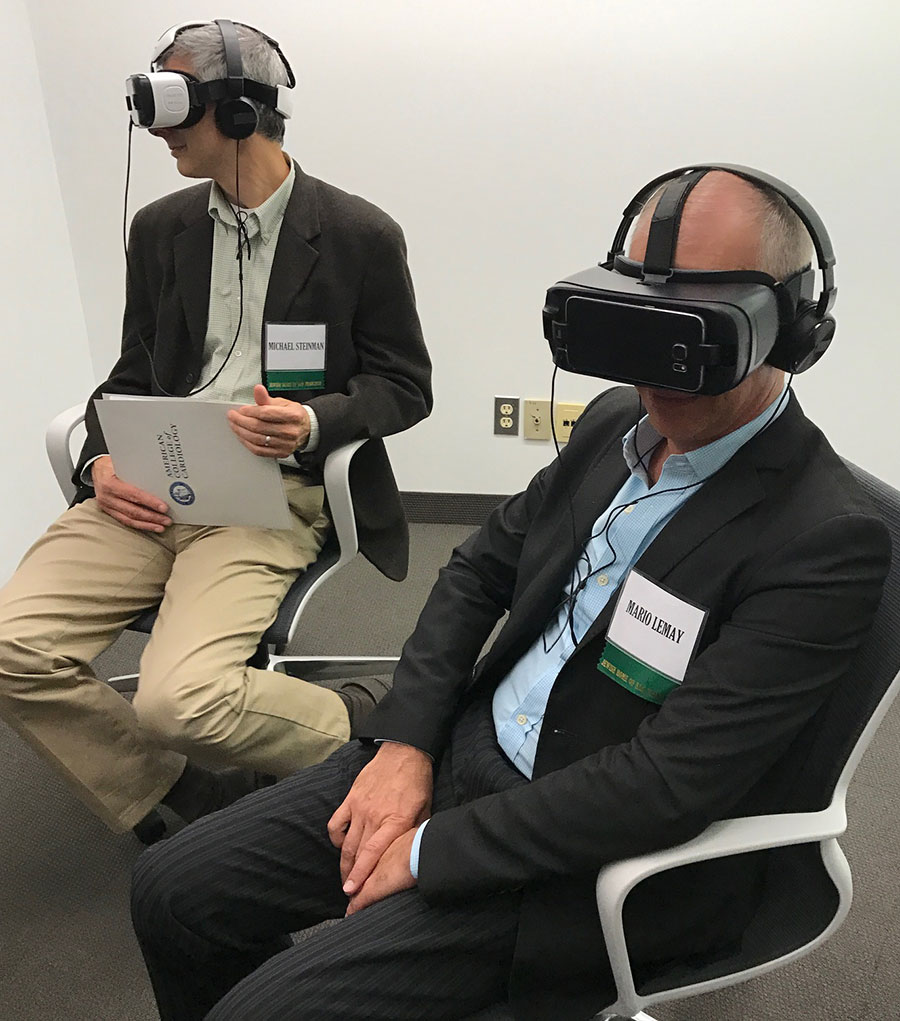
Testing prototypes on fact-finding missions.

© 2004 - 2024 San Francisco Campus for Jewish Living | 302 Silver Avenue, San Francisco, CA 94112 | 415.334.2500
Disclaimer: Website content that still bears the names Jewish Home of San Francisco and Jewish Home reflects material that is in circulation or was published before we became San Francisco Campus for Jewish Living – on which Jewish Home & Rehab Center, our acute geriatric psychiatry hospital, and the new Lynne & Roy M. Frank Residences and Byer Square are located. Wherever possible, new and updated website content will bear our new names.